


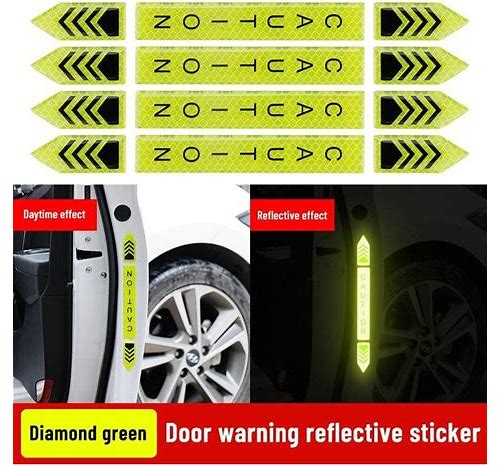


Vinyl Sticker Paper: Green Transformation and Diverse Applications for Modern Brands
Vinyl sticker paper has long been the go-to choice for durable, weather-resistant, and vibrant graphics. From laptop decals to car wraps, its versatility is unmatched. However, the industry is undergoing a significant transformation. The dual forces of environmental responsibility and demand for personalization are reshaping what vinyl sticker paper can do—and what it's made of.
Gone are the days when "vinyl" automatically meant "polluting. Today, a new generation of eco-friendly materials and digital-first production methods is making vinyl stickers more sustainable and more accessible than ever before. Whether you're a small business owner, a hobbyist, or an automotive enthusiast, understanding these shifts will help you make smarter choices for projects.

The Green Revolution: New Material Driving Sustainability
The most significant change in the vinyl sticker industry is happening at the material level. Traditional vinyl (PVC) has faced criticism for its environmental footprint, from fossil-fuel-based production to disposal challenges. In response, manufacturers have developed several innovative alternatives that maintain performance while reducing harm.
Plant-Based Vinyl
One of the most promising developments is plant-based vinyl. By replacing a portion of the petroleum-derived polymers with renewable biomass sources—such as corn, sugarcane, or cellulose—these materials significantly reduce carbon emissions during production. Plant-based vinyl stickers offer the same durability, flexibility, and print quality as conventional options but with a much lighter environmental impact. For brands seeking to improve their sustainability credentials, this is a compelling choice.
PVC-Free (Vinyl-Free) Materials
Another major trend is the rise of PVC-free stickers. These materials, often based on polyethylene (PE), polypropylene (PP), or polyester (PET), contain no chlorine and produce no toxic byproducts during manufacturing or disposal. PVC-free vinyl sticker paper is fully recyclable in many cases and can be incinerated safely without releasing harmful dioxins. Performance-wise, PVC-free options offer excellent weather resistance, conformability, and adhesion—making them suitable for both indoor and outdoor applications.
Biodegradable and Compostable Vinyl Alternatives
For applications where temporary use is expected, biodegradable vinyl stickersare gaining traction. These materials are engineered to break down under specific environmental conditions (such as industrial composting) within a defined timeframe. While they may not yet match the longevity of traditional vinyl for outdoor signage, they are ideal for promotional stickers, Event Badges, and short-term product labeling.
Recycled Content Vinyl
Some manufacturers are also introducing vinyl sticker paper made from post-industrial or post-consumer recycled content. These materials close the loop on plastic waste, giving discarded vinyl a second life as new sticker stock. Combined with recyclable adhesives and liners, recycled-content vinyl represents a practical step toward a circular economy.
The Flexibility Revolution: Small-batch Customization and Digital Printing
Sustainability is only half of the story. The second major trend reshaping vinyl sticker paper is the shift toward small-batch custom printing, enabled by advances in digital printing technology.
No More Tooling Costs
Traditional sticker production required expensive printing plates or screens, making small orders prohibitively costly. A run of 100 stickers could cost nearly as much as 1,000 because the setup costs dominated the total. Digital printing has eliminated this barrier. Modern digital printing vinyl stickers require no plates, no screens, and no minimum order quantities (MOQs). You can order ten stickers or ten thousand—and the per-unit price scales fairly and predictably.
Fast Turnaround Times
Because there's no tooling to produce, turnaround times have collapsed. Where traditional sticker printing might take two to three weeks for setup and production, digital printing can deliver finished custom vinyl sticker printing in as little as 24 to 72 hours. This speed is transformative for businesses running time-sensitive promotions, event organizers needing last-minute materials, or individuals wanting quick personalization.
Low MOQ, High Creativity
Low MOQs mean more room for experimentation and creativity. A small bakery can order 50 removable vinyl sticker paper sheets featuring a seasonal design without committing to thousands of units. An artist can print limited-edition sticker runs to sell at a weekend market. A startup can test multiple design variations with minimal financial risk. This democratization of sticker production is fueling a boom in independent creativity.
Real-World Application: Automotive Customization
Nowhere are these two trends—green materials and small-batch digital printing—more visible than in the automotive customization space.
The Traditional Challenge
In the past, getting a custom automotive vinyl wrap paper or a set of unique car decals was expensive and slow. Vehicle owners had to work with specialty shops that maintained large minimum orders and long lead times. Custom designs often required weeks of back-and-forth and significant upfront investment.
The New Reality
Today, a car enthusiast can design a custom vinyl decal online, upload the artwork to a digital printing service, and receive finished removable vinyl sticker paper sheets within days. With plant-based vinyl or PVC-free stickers options, that customization can also be environmentally conscious. The stickers are then applied to windows, body panels, or mirrors. When the owner wants a change, removable adhesives allow clean peel-off without damaging the paint.
This fast, affordable, and increasingly green workflow has opened automotive customization to a much wider audience. From racing stripes to full partial wraps, small-batch vinyl stickers are putting professional-grade personalization in reach of everyday drivers.
Beyond Automotive: Diverse Applications
While automotive is a headline use case, vinyl sticker paper serves countless other applications:
-
Retail and branding: Window decals, floor graphics, product labels, and promotional stickers.
-
Event management: Temporary signage, directional arrows, name badges, and sponsor logos.
-
Home and office: Wall decals, laptop skins, appliance labels, and organizational stickers.
-
Outdoor equipment: Kayak registration numbers, bicycle decals, tool identification, and gear labels.
-
Art and expression: Sticker art, skateboard graphics, phone case decals, and laptop covers.
In every case, the combination of eco-friendly vinyl stickers and digital printing enables personalized, low-waste production that was impossible a decade ago.
Choosing the Right Vinyl Sticker Paper
With so many options available, how do you choose? Consider these factors:
For Sustainability
-
Plant-based vinyl for reduced carbon footprint
-
PVC-free stickers for chlorine-free, recyclable performance
-
Biodegradable vinyl stickers for short-term applications with composting access
-
Recycled content vinyl for closing the material loop
For Performance
-
Removable vinyl sticker paper if you need clean removal (walls, windows, painted surfaces)
-
Permanent adhesive for long-term outdoor exposure
-
Cast vinyl for conforming to complex curves (automotive wraps)
-
Calendered vinyl for flat or gently curved surfaces (signage, decals)
For Production
-
Digital printing vinyl stickers for low MOQs, fast turnaround, and no tooling costs
-
Screen printing for very large volumes (10,000+ units) where per-unit cost is the priority
The Future of Vinyl Sticker Paper
The trends we're seeing today are only accelerating. Expect further advances in bio-based polymers, improved recyclability for pressure-sensitive adhesives, and even faster digital printing workflows. Some manufacturers are exploring fully home-compostable vinyl alternatives. Others are integrating NFC chips or QR codes into sticker paper for interactive applications.
What's clear is that vinyl sticker paper is not a static product. It's evolving—toward greener chemistry and greater accessibility. Whether you're a multinational brand or an individual creator, the tools to produce beautiful, durable, responsible vinyl stickers are more available than ever.

Conclusion
Vinyl sticker paper has entered a new era. The old trade-offs—durability versus sustainability, quality versus affordability, speed versus customization—are dissolving. Plant-based vinyl, PVC-free stickers, and biodegradable vinyl stickers offer environmentally responsible options without sacrificing performance. Meanwhile, digital printing vinyl stickers enable small-batch vinyl stickers with no tooling costs, low MOQs, and lightning-fast turnaround.
From automotive vinyl wrap paper that lets a driver express their personality to temporary event signage that composts after use, the applications are as diverse as the customers themselves. The future of vinyl sticker paper is green, flexible, and ready for your next project.
Ready to explore custom vinyl sticker printing for your brand, vehicle, or creative work? Contact us today to discuss materials, quantities, and timelines. Let's make something that sticks—responsibly.